Clear comparison lens
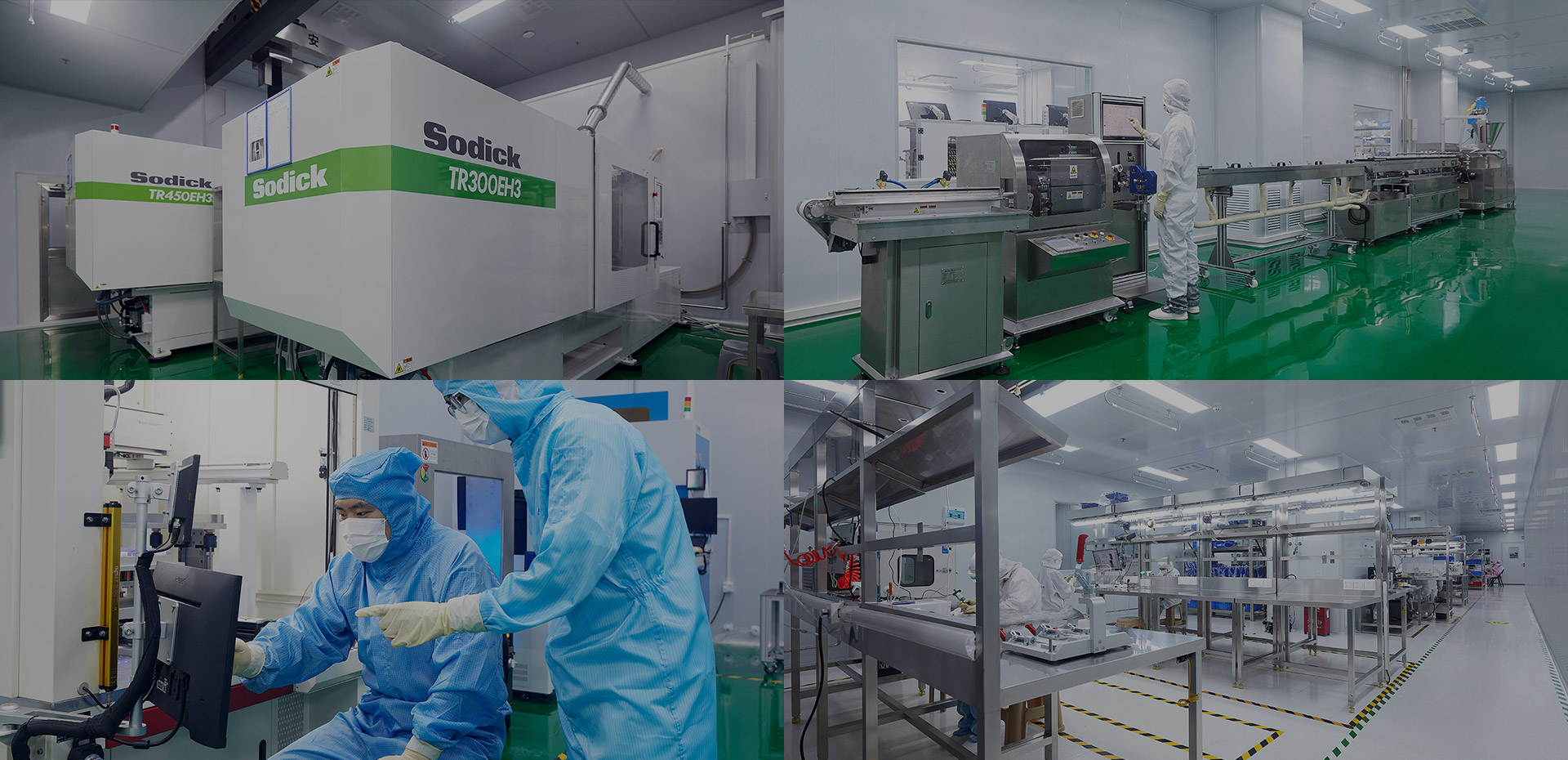
You want direct comparison, not flowery talk—so start by checking these capability axes side by side. Look at quality systems, cleanroom classes, assembly complexity, testing scope, and supply-chain transparency. For someone scouting for medical device contract manufacturing, you must see evidence of process transfer, tooling control, and documented validation—these tell you whether a partner can handle your product reliably.
Quality and compliance—what to measure
Ask for certified evidence: ISO 13485, controlled cleanrooms (Class 7/8 or better, if your device needs it), documented sterilization workflows when applicable, and batch traceability. Check whether they run regular internal audits and supplier audits. Don’t accept vague statements; request a copy of their quality plan summary and recent audit findings where possible. If they hesitate, this is a red flag.
Manufacturing capabilities versus product needs
Match capability to complexity. Simple assemblies can go to high-volume lines with automated feeders; complex micro-assemblies need micro-fixturing, vision inspection, and skilled bench work. Ask for examples of similar products they already build and for cycle-time data. Capacity matters but so does the floor layout: one-line that mixes products often will cause quality drift—avoid that if your device requires tight control.
Testing, validation, and risk controls
Tests must be reproducible and traceable. Confirm they perform incoming inspection, in-process checks, and final functional testing tied to your product’s risk controls (DFMEA-derived). Validation must include installation qualification (IQ), operational qualification (OQ), and performance qualification (PQ) where relevant. If they talk only about inspection after the fact, you risk latent failures slipping through.
Supply chain and material control
Material traceability is non-negotiable. Verify supplier qualification procedures, lot control, and shelf-life management for critical components. Ask how they handle obsolescence and second-sourcing. A partner who can’t show qualified alternates or transparent lead-time reporting will cost you delays and surprises.
Turnkey services and design transfer
Some partners offer full turnkey: from parts sourcing to final packaging and serialization. Others only assemble. If you need a smooth transfer, insist on a documented design transfer plan, risk mitigation milestones, and a clear ownership map for changes. Check whether they support engineering changes with configuration control rather than informal emails—this keeps regulatory filings clean.
Red flags and common mistakes
Beware of these pitfalls: vague capacity claims, no traceable test records, single-source critical components without contingency, and lack of a documented corrective action process. Small vendors sometimes overpromise on timelines to win work; verify through reference projects and on-site visits. Don’t skip factory walkthroughs—pictures online can be flattering but won’t reveal process discipline.
Experience, authority, and a real-world anchor
Experience shows in documented projects, competent regulatory support, and a track record at major trade forums. At events like MD&M West in Anaheim, engineers compare assembly case studies and common failure modes—this is where practical lessons surface and best practices get tested. You can verify claims against published conference abstracts and supplier presentations, and you should also confirm their systems with an engineering review focused on medical device system engineering. That practical cross-check separates confident partners from overstated proposals.
Alternatives to consider
If a full contract manufacturer feels too big, consider specialized contract assemblers for sub-assemblies, or local pilot shops for initial runs before transferring to scale. Each option has trade-offs: pilots give control but add transfer work; specialized shops reduce transfer risk but may lack regulatory depth. Choose based on product risk class and anticipated volume ramp.
Final synthesis
Compare partners by measurable capabilities and verifiable records, not promises. Demand quality evidence, matching of manufacturing methods to your product’s technical demands, and clear change-control ownership. When you want a partner who documents processes, supports design transfer, and stands behind test data, consider companies that align with those needs—like kingsin—because the right fit saves time, reduces rework, and keeps regulatory paths straightforward.