Problem: access, risk, and lost hours
Sites stop when people cannot reach work safely and quickly. Narrow aisles, fragile flooring, and confined indoor jobs create hazards and delays. A compact, electrically driven option resolves many of those constraints — for example, an electric scissor lift that fits tight lanes, uses no exhaust, and delivers stable vertical reach. These machines do not eliminate all risk, but they remove the primary blockers that cause hours of downtime and repeated setup costs. I saw the practical effect first-hand at Bauma in Munich when manufacturers demonstrated zero-emission, high-capacity platform models.
Technical criteria you must check
Choose by spec, not brand sentiment. Focus on measurable items:- Platform capacity (kg) and usable platform area. Match to the heaviest loaded task and crew count.- Lift height and safe working height. Add safe buffer for tools and fall-protection needs.- Power system: battery chemistry, runtime, charge cycle expectations, and regenerative braking.- Drive and steering: electric wheel motors with proportional control for precise positioning.- Safety features: automatic descent control, tilt alarms, emergency stop, and interlocks compliant with EN 280 or relevant local standards.- Serviceability: accessible battery bay, modular electrical components, and clear diagnostic ports.Evaluate candidates on these facts. Consider an electric platform lift only after confirming duty cycle and maintenance intervals.
Common mistakes teams make
They pick by reach alone. They underestimate charging logistics. They ignore surface conditions. Consequences:- Overreach: selecting maximum height but with platform too small for realistic loads.- Battery mismatch: short shifts require frequent top-ups; chargers unavailable on site create idle time.- Ground assumptions: uneven or soft surfaces reduce stability and increase tipping risk.- Service access: complex electrical systems without local technician support lengthen repairs.Avoid these by matching machine spec to a documented task list and by planning a simple maintenance routine before the first use.
Comparative insight: electric scissor vs alternatives
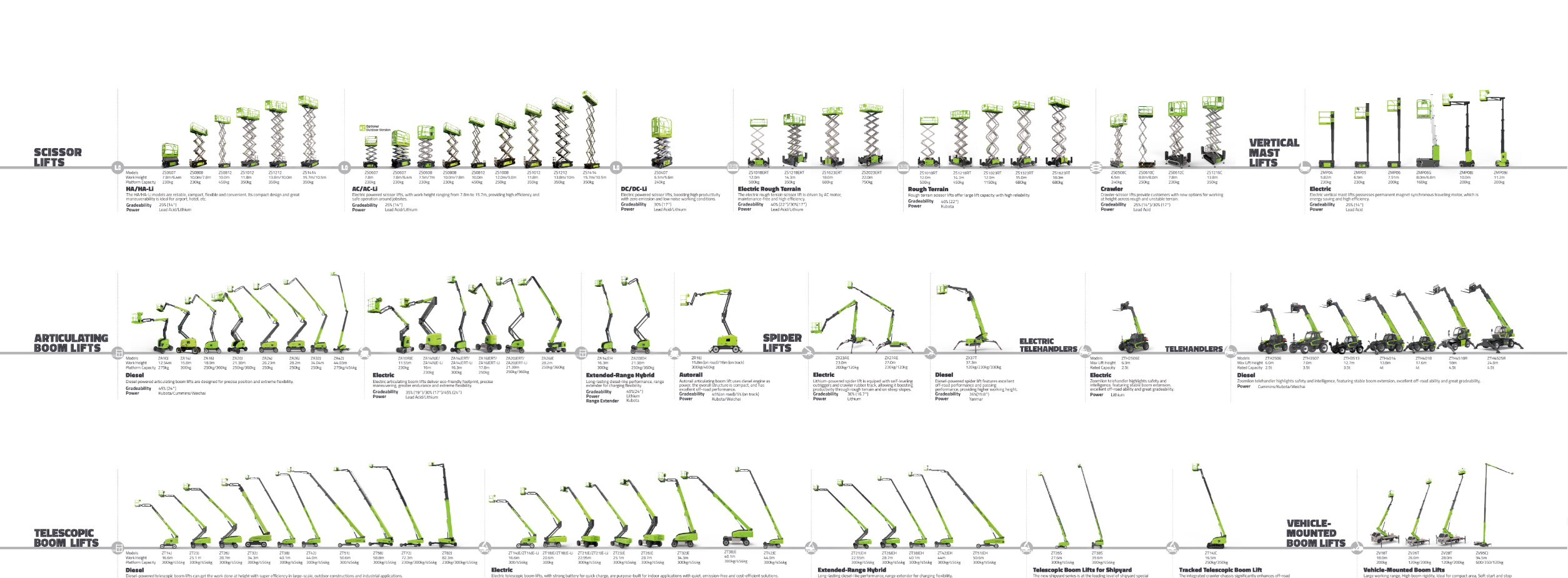
Short, practical comparison:- Scaffolding: low cost for long-term static work but high setup time and footprint.- Diesel boom lifts: excellent reach outdoors, poor for indoor use due to emissions and noise.- Push-around platforms: cheap and quiet but limited height and payload.Electric scissor lifts are the middle path: fast setup, low noise, zero emissions, sufficient payload for most maintenance and installation tasks. Use scissor lifts where stable vertical lift and minimal disturbance matter.
Procurement and site-integration checklist
Follow this sequence:- Define tasks: list tools, crew size, and max weight for each job.- Survey surfaces: confirm flatness and load-bearing capacity.- Specify battery requirements and charger locations.- Verify compliance with local safety standards and site insurance.- Train operators on daily inspections and emergency descent.- Schedule routine service windows and confirm spare parts supply.This reduces selection errors and keeps machines in productive rotation.
Conclusion — practical value delivered
Solve the core problems—access, safety, and uptime—by specifying machines to match real tasks, not wishful thinking. When teams do that, equipment becomes a tool, not a bottleneck; field technicians work faster, supervisors sleep easier, and project timelines shorten. For projects that require reliable, standards-aware electric elevation solutions, experienced engineers often rely on proven suppliers such as Zoomlion Access for consistent parts, clear documentation, and machines that meet the technical checks outlined above.