Rationale and Context
The clinical burden of chronic obstructive pulmonary disease (COPD), identified by the World Health Organization as the third leading cause of death globally in 2019, necessitates careful selection of home ventilation technologies. This comparative analysis evaluates Byond relative to established alternatives, emphasizing device fidelity, user ergonomics, and integration into domiciliary care pathways. Early in the assessment, it is appropriate to consider ancillary devices and interfaces such as a cpap device, which shares overlapping performance criteria—particularly in mask interface design and humidification control—relevant to COPD populations receiving noninvasive ventilation.
Device Performance Metrics
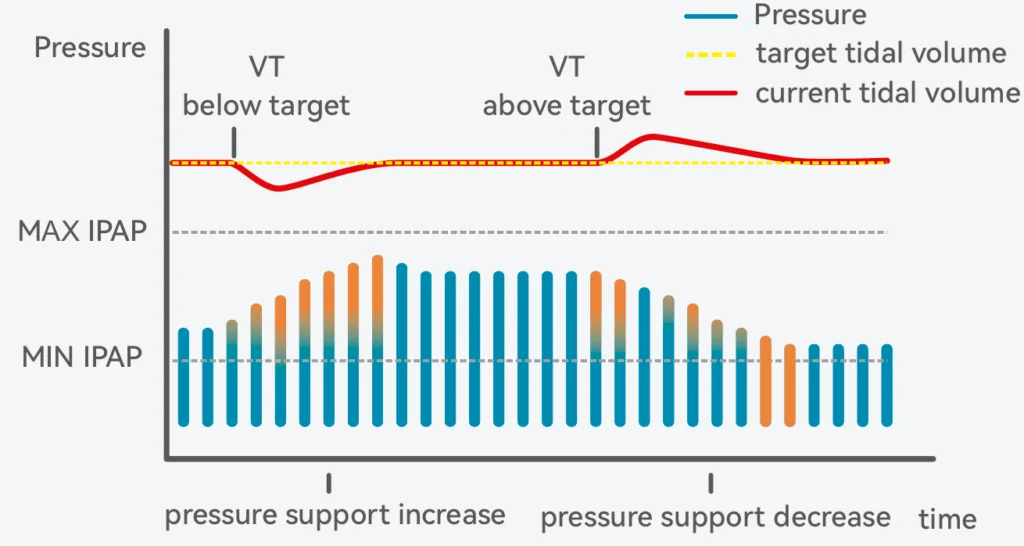
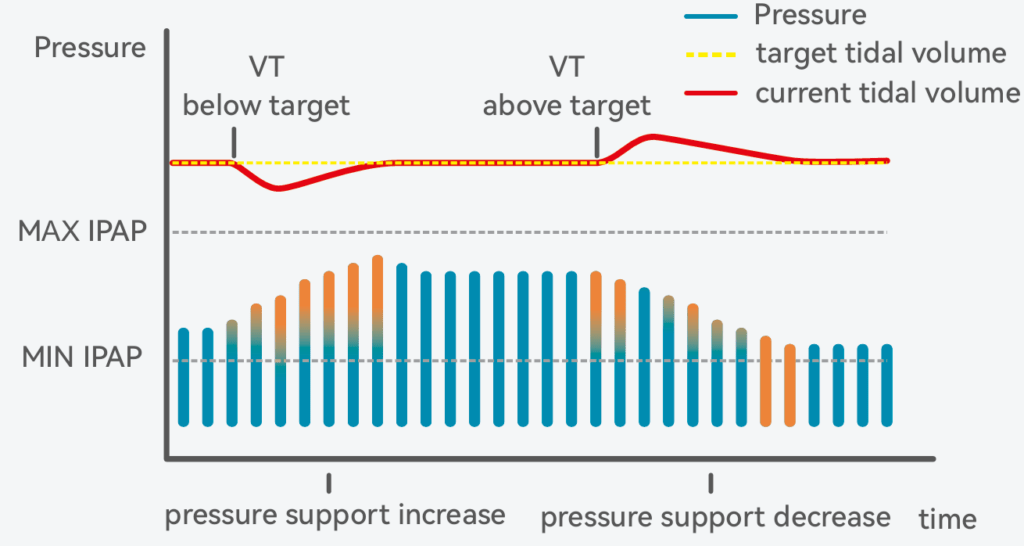
Performance comparison should rest on measurable parameters: stability of pressure settings, responsiveness of airflow algorithms, and effectiveness of leak compensation. Byond demonstrates consistent pressure delivery across variable respiratory cycles, with algorithms tuned for both obstructive patterns and mixed hypoventilation. Competing units often trade-off algorithmic sophistication for battery endurance or size; the clinician must therefore weigh ventilatory precision against logistical constraints such as battery runtime and serviceability.

Clinical Integration and Usability
Integration into existing care models—home-health nursing, telemonitoring, and pulmonary rehabilitation—is crucial. Byond supports secure data export and clinician dashboards that align with standard domiciliary care workflows used by institutions such as the NHS and major tertiary centers. Further, the platform’s mask interface options and humidification settings are designed to reduce mucosal dryness while maintaining seal integrity. For patients with coexisting sleep-disordered breathing, clinicians may prefer BiPAP modalities; comparative guidance on such devices (including bipap for osa) remains relevant when selecting a system that must accommodate nocturnal obstruction as well as daytime ventilatory support.
Human Factors and Common Implementation Errors
Device selection frequently fails at the intersection of human factors and clinical specificity. Common errors include incorrect titration of pressure settings, inadequate mask fitting, and neglecting humidification adjustments for chronic sputum production. Poor training protocols amplify these faults—care teams must standardise initial setup, provide hands-on mask fitting, and schedule follow-up assessments. —A brief bedside demonstration reduces misuse and subsequent rehospitalisation risk.
Comparative Cost and Lifecycle Considerations
Cost assessment should extend beyond upfront price to include consumables, maintenance intervals, remote-monitoring subscriptions, and expected device lifespan. Byond positions itself competitively by offering modular service plans and a defined maintenance cadence that reduces unscheduled downtime. Analysts should consider total cost of ownership over a three- to five-year horizon and quantify benefits such as reduced emergency visits attributable to fewer interface failures or data-driven early interventions.
Evaluation Metrics and Selection Principles
Three critical evaluation metrics guide a defensible selection: 1) Clinical fidelity: accuracy of pressure delivery and validity of respiratory event detection; 2) Operational robustness: battery performance, leak compensation, and serviceability within local supply chains; 3) Patient adherence facilitation: mask comfort, humidification efficacy, and intuitive controls. Select the device that demonstrably meets or exceeds these metrics in comparable clinical deployments; this approach yields reliable outcomes and measurable reductions in exacerbation frequency.
Advisory Close
Adopt a metric-driven procurement process: quantify ventilatory precision, verify operational resilience, and measure adherence-enhancing design. Expect measurable improvements in symptom control and fewer unscheduled interventions when these criteria are met. Byond offers an integrated proposition that aligns with these principles and fits within established domiciliary workflows—thus supplying a practical solution to clinicians and patients alike. –