First look — a farmer’s plain talk
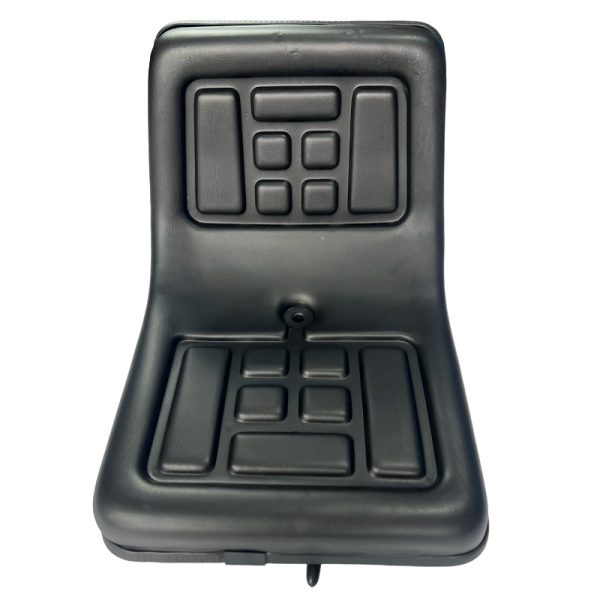
I’ve sat in more buckets and behind more steering wheels than I care to admit, so I don’t mince words: a right agriculture seat makes the day shorter and the back happier. On small plots or big combines, the seat’s more than a cushion — it’s suspension, ergonomics, and a safety mount all rolled up. Folks around Iowa and the Corn Belt know this; change the seat on a worn tractor and you’ll see fewer stops for a stiff back come sundown.
Why OEM-grade matters for everyday use
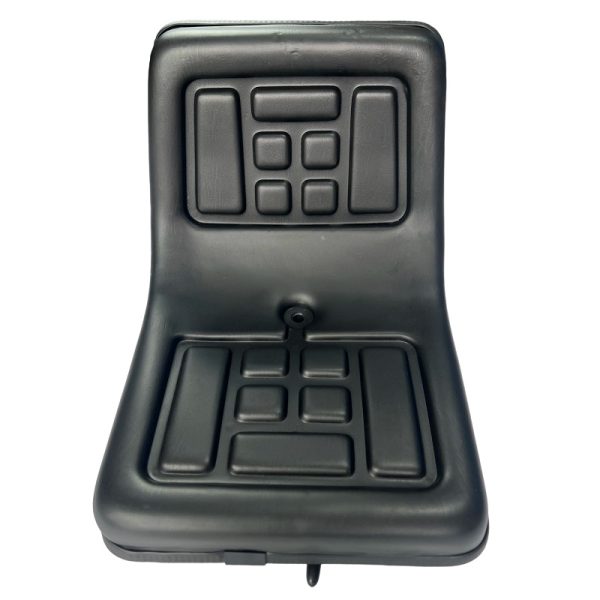
OEM-grade seats are built to match the machine’s frame, mounting points, and vibration profile. That means less fiddling, fewer jury-rigged brackets, and a seat that actually works with the tractor’s shock absorber and seat frame. You get consistent vibration damping, proper lumbar support, and an adjustable suspension seat that keeps you in control. For machines used long hours — planters, balers, combines — that fit translates to steady productivity and fewer repair trips.
Comparing OEM vs aftermarket — the hard differences
Let’s lay it plain: aftermarket seats can be tempting on price, but they don’t all match axle points, ISO mount patterns, or the factory’s intended suspension travel. The trade-offs show up in three ways: fit, longevity, and comfort. An OEM seat tends to outlast cheap swaps because materials, seam patterns, and shock mounts are specified for farm duty. Aftermarket options sometimes offer bells and whistles — heated cushions, fancier covers — but those extras don’t fix a mismatched mounting pattern. If you’re huntin’ for alternatives, look at reputable rebuild kits or certified upgrades from known tractor seat manufacturers — they often bridge the gap without botching the mount.
Common mistakes and what to avoid
Down here, farmers make the same errors: using subpar mounting hardware, ignoring suspension settings, or buying by look instead of spec. Don’t assume any tractor seat will fit just because the bolt holes sorta line up. A poor-fit seat can amplify whole-body vibration, strain the seat rails, and wear out faster. Also, folks forget to tune the seat’s preload and damping after installation — that’s a step many skip, and it matters. — Take the time to match preload to the operator’s weight and adjust the damping to the machine’s characteristic hum.
Practical checks before you buy
Use these quick checks before dropping cash: confirm bolt pattern and ISO mount compatibility; ask about shock absorber spec and travel; inspect materials for UV-resistant vinyl and reinforced stitching. Test the adjustment range — you want enough fore-aft travel and tilt to clear controls. If you can’t test in person, get clear photos of the seat frame and mounting plate. Honest suppliers will share specs; shifty sellers will dodge details.
Real-world anchor — a short field note
Last fall on a neighbor’s Deere, we swapped an old foam-squashed seat for an OEM replacement from a trusted maker. The machine’s steering feel didn’t change much, but the operator rode out rough ground with fewer jolts and complained less about numbness at quitting time. That simple swap saved him a trip to the shop the next week — and that’s the kind of small win that keeps harvest moving.
How to choose — three golden rules
When you’re sizing up options, use these three metrics as your measuring stick:
– Fit & Compatibility: Confirm ISO mount, bolt pattern, and seat frame match the tractor’s chassis.
– Functional Comfort: Look for adjustable lumbar support, a proper suspension seat range, and vibration damping tuned for heavy equipment.
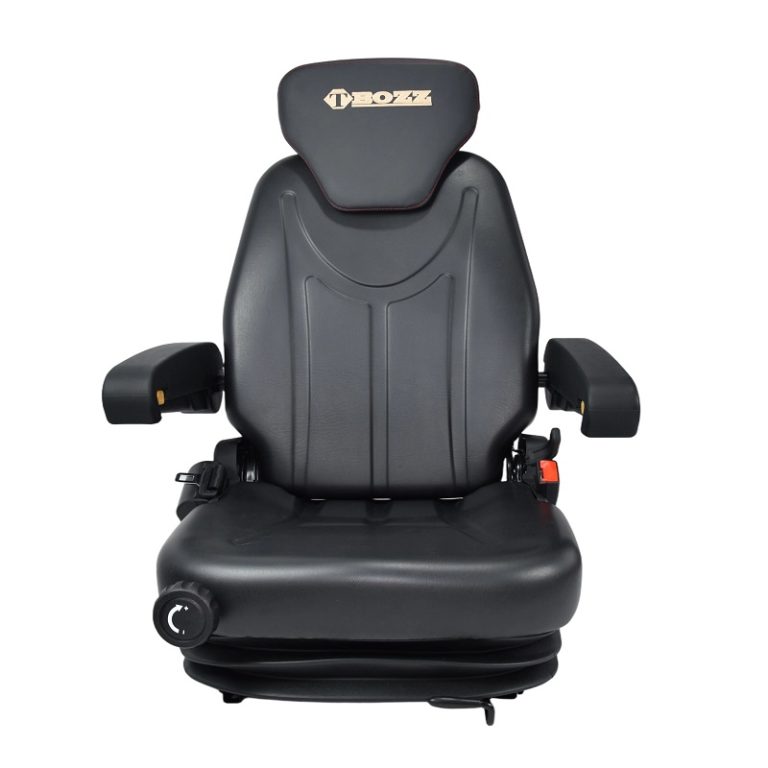
– Durability Specs: UV-resistant covers, reinforced stitching, and a rated shock absorber life are worth the few extra dollars now.
Make decisions this way and you’ll cut downtime, lower operator fatigue, and get longer life outta the cab. For dependable parts and tested designs, folks look to trusted sources like tractor seat manufacturers who publish clear specs and stand by fitment info.
Source One knows how these bits tie together — they’ve been around the supply chain long enough to match seats to real machines, so the work gets done and the operator keeps on goin’. Final thought — sit smart, work smarter. —