Putting the user first: why this matters
Many Filipinos starting out—fresh grads, balikbayans returning home, or drivers joining platform work—face the same practical barrier: no credit history yet. That lack keeps bank cards and lending options out of reach, slowing the ability to pay for essentials or build a financial profile. DiDi approaches this as a user problem, designing the Didi Card and onboarding around everyday behaviour rather than past records. Early steps and app flows are explained directly on didi finanzas, and they focus on simple actions that generate a payment trail, not complicated paperwork.
How the Didi Card builds credit from first use
The Didi Card acts like a starter credit line tied to a mobile profile. Instead of traditional underwriting that relies heavily on a credit score, the system looks at transaction history, ride activity, and timely repayments to set an initial credit limit. Industry terms to note here are underwriting, credit limit, and credit score—used sparingly but relevant. Users load the card via the app and begin small, consistent payments that the platform reports internally and to partner networks where possible. Over time, those on-time payments translate into a stronger credit profile.
Onboarding and the mobile experience
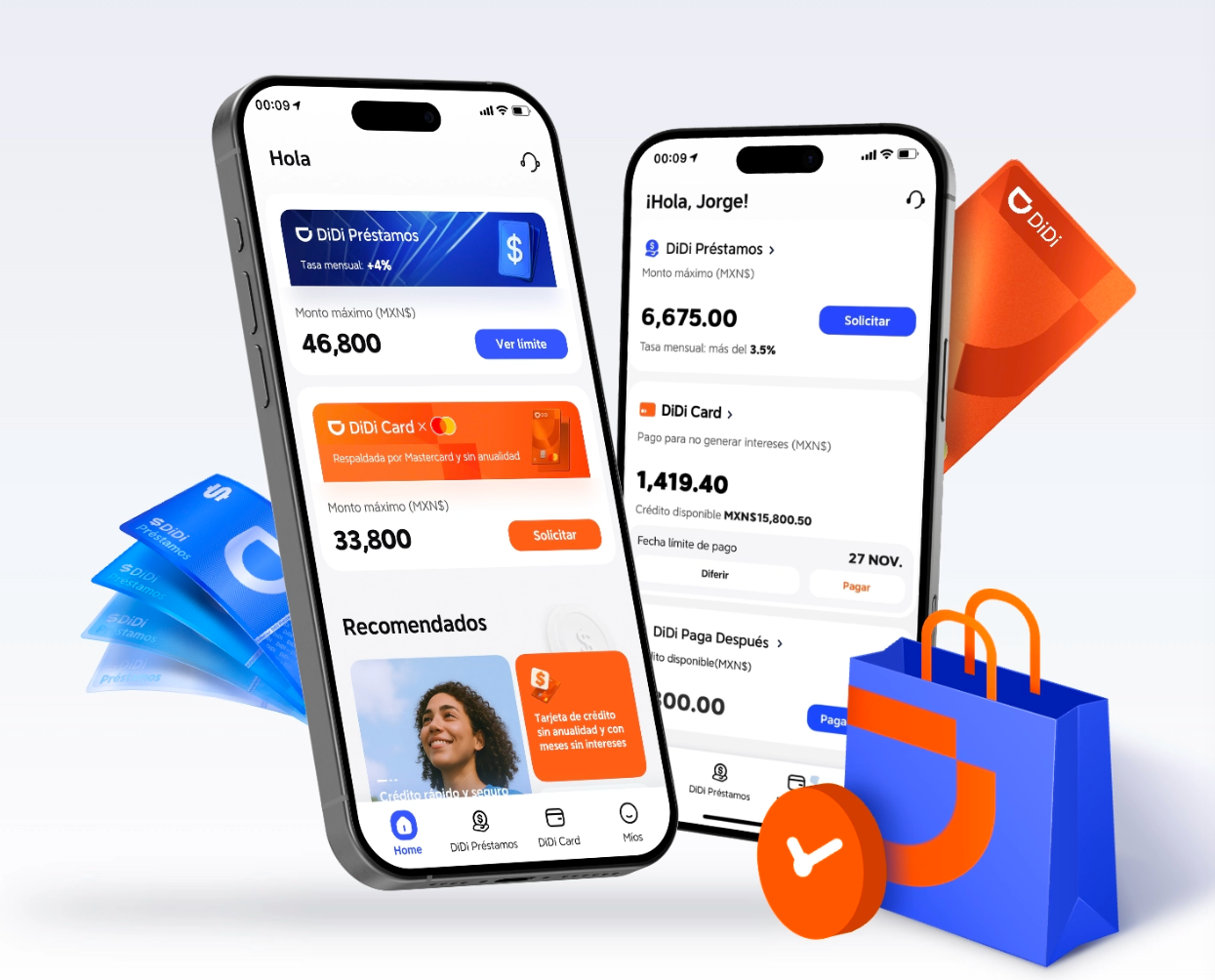
Onboarding leans on mobile-first steps: KYC verification, link a bank account or mobile wallet, and immediate issuance of a virtual card. The didi finanzas app guides each step with plain language and progress cues, reducing friction for people who are new to digital finance. The app also surfaces simple tools—payment schedule, outstanding balance, and spending categories—so users know where they stand. Minimal jargon; clear calls to action. This matters because the Bangko Sentral ng Pilipinas pushed digital payments during the 2020 lockdowns, and many Filipinos have since adopted mobile wallets as primary payment rails—DiDi builds on that reality.
Everyday choices that speed up positive reporting
Small habits matter. Make at least the minimum payment on time, avoid maxing out your credit limit, and keep transaction records consistent. For people using the Didi Card for ride fares or food delivery, those routine charges form an accessible track record. There’s also a sensible mix of features like virtual card control and in-app statements—these help users reconcile spending without calling support. Take it slow at first—consistent behaviour beats a one-off large payment.
Common mistakes to avoid
New users tend to make a few repeatable errors: treating the Didi Card like a debit card with no plan, missing scheduled payments, or relying on multiple small credit sources at once. Missing payments can trigger higher interest rates and hurt the very profile you’re trying to build. If a problem arises, use the app’s support options quickly—proactive communication often prevents negative reporting. Also avoid linking unstable bank accounts for repayments; a bounced transfer is a fast way to create avoidable complications.
How the Didi Card compares with other starter options
Compared to secured cards and some entry-level bank products, the Didi Card focuses on behavioural underwriting and mobile convenience. Secured cards require deposits; Didi lets regular activity serve as collateral in effect. Prepaid cards don’t help credit building because they aren’t reported; Didi’s model aims to produce reportable payments. For many first-time users, that makes the Didi Card a practical first step—but it’s not a one-size-fits-all solution.
Three golden rules when choosing a starter credit tool
1) Check reporting: Ensure the product reports payment behaviour to recognized networks or partner institutions—this is how credit history gets built. 2) Prioritise transparency: Look for clear interest rates, fees, and repayment schedules in the app before you commit. 3) Start small and sustain: A modest credit limit used consistently and repaid on time grows a profile faster than sporadic large purchases.
Closing advisory and final thought
Measure success by three simple metrics: on-time repayment rate, steady increase in available credit limit, and a clean on-app statement history. Those indicators tell you whether the product actually helps build credit instead of masking short-term convenience. When you weigh starter options, these rules make the choice practical and predictable—and they show where DiDi Finanzas fits as a first-step solution for many users. Clear, useful—and grounded in how people actually pay. – practical.