
Introduction
Who knew that a line of soft, polite wipes could cause such a loud, expensive meltdown on the factory floor? I see it all the time: one little misfeed turns into an hour of downtime, technicians pacing like detectives, and managers counting lost tons of product (and profit). Wet wipe machinery is supposed to make life easier, not stage a rebellion — yet the data don’t lie: typical downtime for a single packaging fault can cost several hundred dollars per hour on mid-sized lines. So what are we missing here?
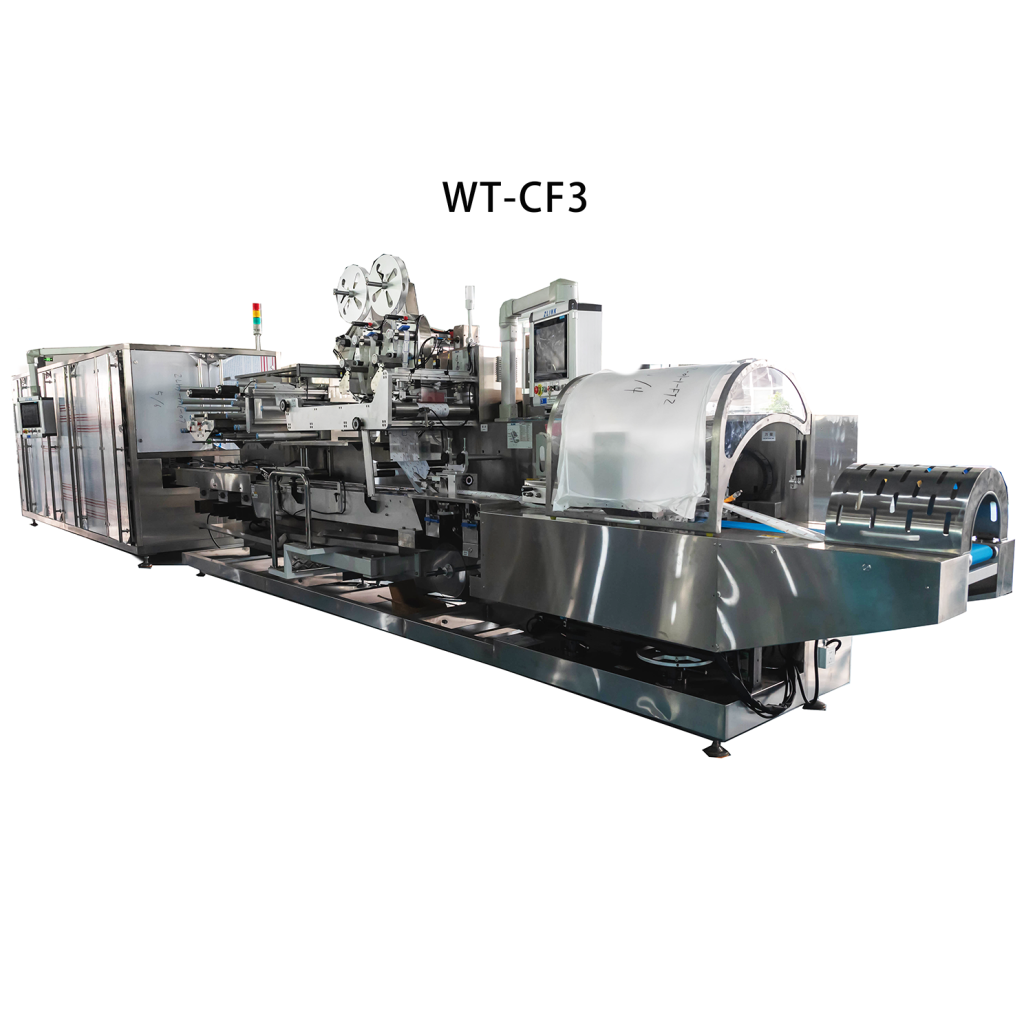
I want to be blunt. I’ve watched teams chase surface symptoms while real root causes sat in plain sight — hidden belts, poorly tuned PLC settings, or a servo motor that was quietly whining for months. My goal in this piece is to pull back the curtain. I’ll compare common fixes and show where they fall short, then sketch practical paths forward. Expect some sarcasm — I earned it — but also real, hands-on insight you can act on. Next, we’ll dig into the flaws that keep shops trapped in repair loops.
Hidden Flaws in Traditional Solutions
First things first: if you type “wet wipe machinery manufacturers china” into your browser, you’ll get options — many good, some not. But most off-the-shelf fixes I see rely on three tired assumptions: that component replacement always solves the issue, that one-size PLC recipes work across product lines, and that routine checks alone catch the creeping errors. I linked to wet wipe machinery manufacturers china here because reputable vendors do help — but they can’t fix a flawed troubleshooting mindset.
Why do basic repairs fail?
Look, it’s simpler than you think. Teams replace a power converter or a dosing pump, cheer for thirty minutes, and go home thinking the job’s done. Yet the root may be tension control drift or intermittent encoder noise. You need diagnostics that read beyond the obvious: vibration signatures, dew point in the plant air, or small shifts in servo motor phase behavior. Without those checks, the same fault will come back. I’ve seen it — more than once — and it’s demoralizing when you know a smarter measurement would have saved the day.
New Principles for Better Outcomes
Now let’s move forward. The next wave is not just swapping parts faster. It’s about smarter sensing and control logic — edge computing nodes on the line, targeted use of predictive algorithms, and modular PLC logic that adapts rather than repeats. When I talk to engineers who’ve made meaningful gains, they point to a few core ideas: better signal quality from sensors, layered alarm thresholds, and routine calibration tied to batch changeovers. These are not flashy. They do, however, cut repeat failures by a measurable margin.
For suppliers and buyers — and yes, I include myself in that club — this means asking the right questions before you buy or upgrade. How does the machine report a tension anomaly? Can the line log encoder jitter over a shift? Does the control system allow incremental setpoint changes without full recipe handoffs? I recommend starting small: add a dew point sensor in humid areas, fit a dedicated edge node for encoder filtering, and tune PID loops with real production data. These steps are neither costly nor glamorous — funny how that works, right? — but they make the machines behave.
What’s Next?
Looking ahead, manufacturers that pair robust mechatronics with simple digital diagnostics will win. I want to be clear: this is not about flash dashboards; it’s about readable, actionable info that line techs can use right now. Want an easy test? Track mean time between similar failures for two months before and after you install a targeted sensor. If the metric improves, you’re on to something. If not, you’ve learned where to focus next.
Practical Takeaways and How to Choose Wisely
Let me finish with three concrete metrics I use when evaluating fixes. These help me, my clients, and frankly my conscience — because I prefer solutions that last.
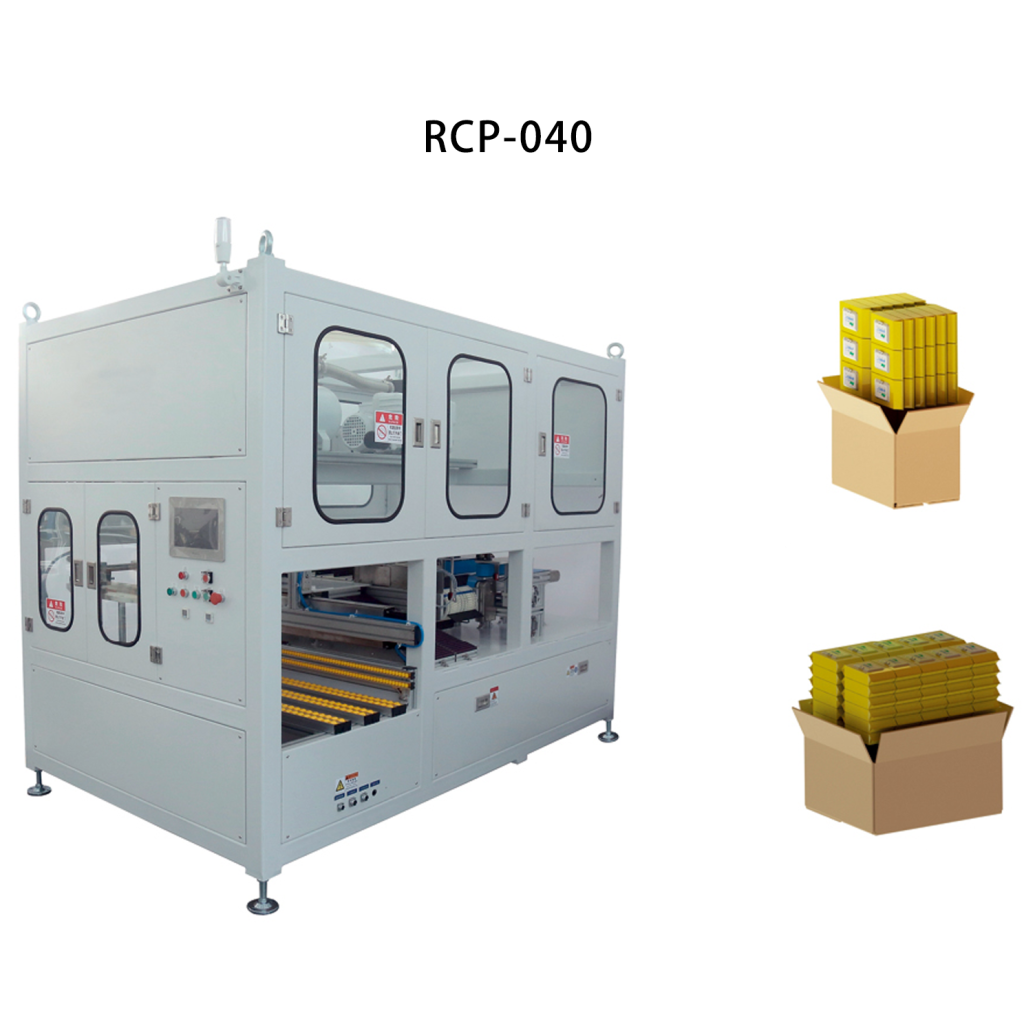
1) Mean Time Between Failures (MTBF): Measure it before and after interventions. A real fix should show clear improvement within a month. 2) Fault Recurrence Rate: Count how often the same alarm happens in a week. If it repeats, the root cause is still alive. 3) Diagnostic Resolution Time: How long does it take to identify the true failing subsystem — motor, conveyor, or control? The shorter, the better. Use these with simple logs, not just gut feeling.
In short: don’t be seduced by quick swaps or spotless-looking HMI screens. Ask for demonstration data, insist on real sensor outputs, and push suppliers to show how their solution reduces MTBF and recurrence rates. I’ve recommended many upgrades that seemed minor but delivered steady, visible gains. Still, every plant has its quirks — so test, measure, and iterate. If you want to explore trusted vendor lines while you plan, check wet wipe machinery manufacturers china for examples and specs.
We’ve covered scenario, hidden pitfalls, and a few forward-looking fixes. I’m not suggesting miracles. I am saying: be curious, use better data, and hold suppliers to real performance metrics — that’s where you’ll see real change. For reliable partner options, I recommend checking options from ZLINK.
